
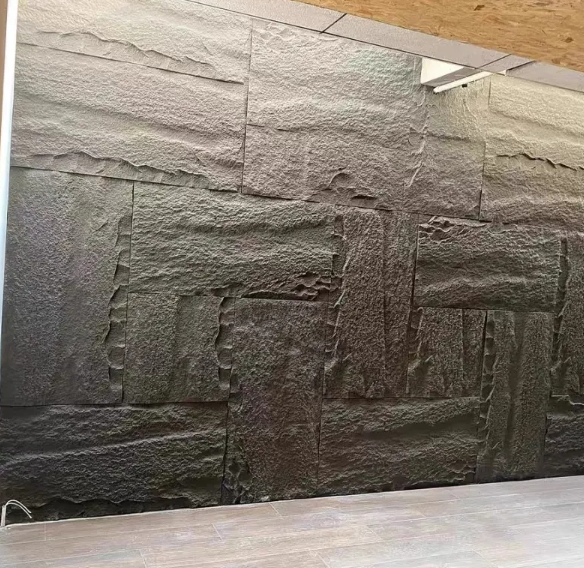
What Are Stone Wall Tiles? Types, Materials, and Key Characteristics Stone wall tiles are thin, durable slabs—either quarried from natural mineral deposits or engineered from composite materials—designed specifically for vertical applic...
VIEW MORE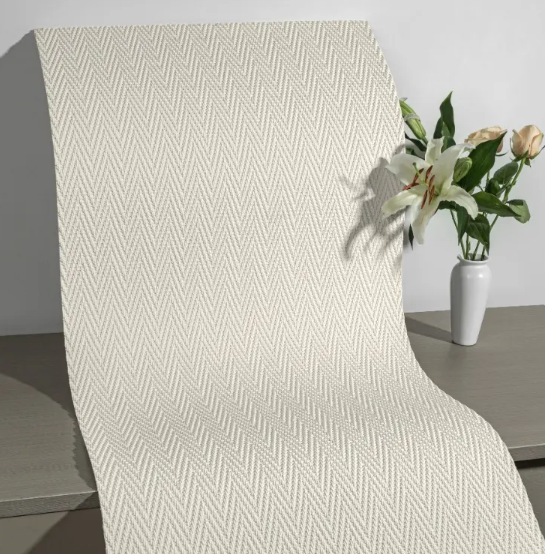
Substrate Preparation: Foundation for Reliable Flexible Stone Adhesion Surface Readiness Essentials: Cleanliness, Flatness, and Moisture Control Good adhesion starts with a surface that's really clean, completely flat, and totally dry. These three ...
VIEW MORE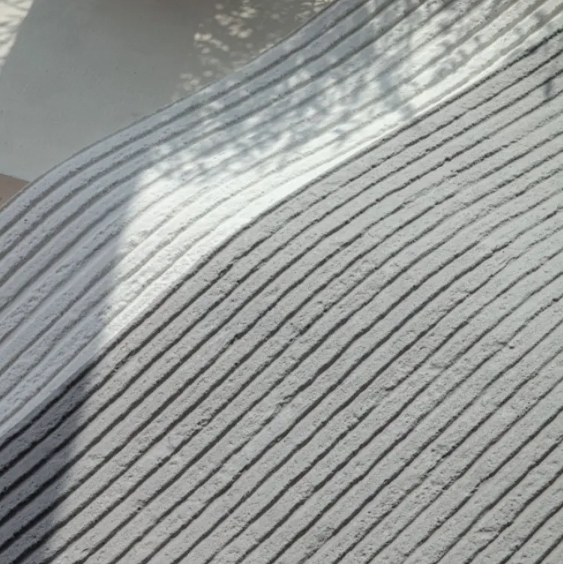
Soft Stone in High-Performance Commercial Building Facades Why Architects Choose Soft Stone Over Hard Cladding for Energy-Efficient Mixed-Use Developments More architects are turning to soft stones like limestone and travertine instead of steel or ...
VIEW MORE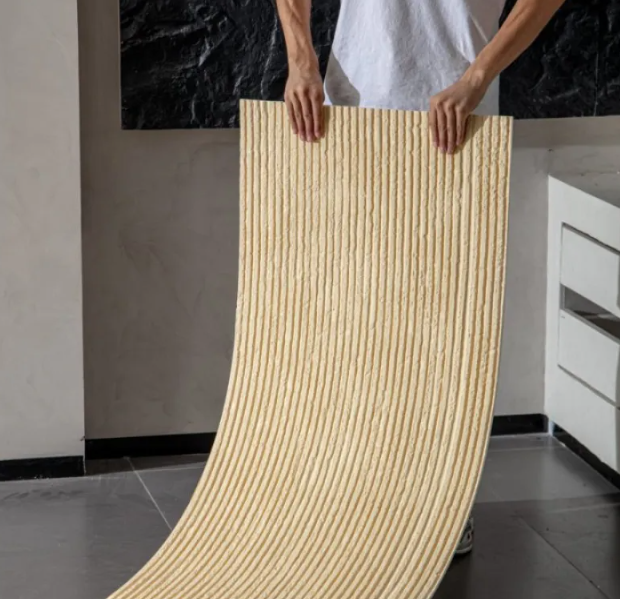
Understanding Fire Ratings: ASTM E84 Class A and What It Really Means for Artificial Stone Wall Panels How ASTM E84 Measures Flame Spread and Smoke Development The American Society for Testing and Materials (ASTM) E84 test—commonly called the...
VIEW MORE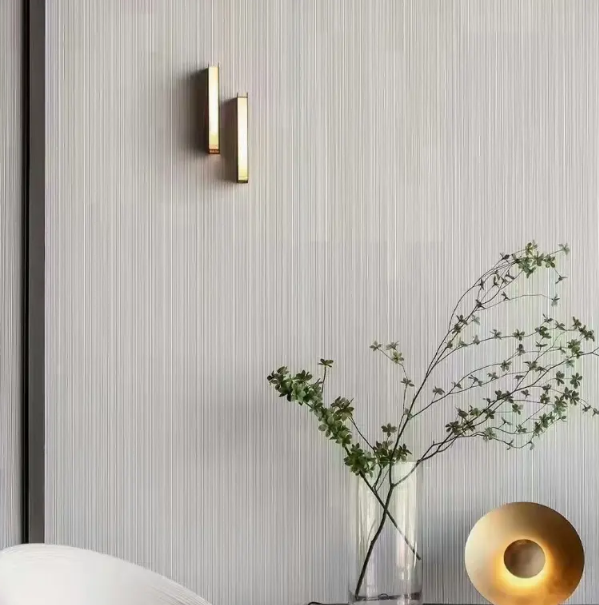
Interior Residential Applications for Flexible Stone Feature Walls, Fireplace Surrounds, and Accent Zones Flexible stone changes how we think about home decor because it looks just like real stone but works so much better for design purposes. At on...
VIEW MORE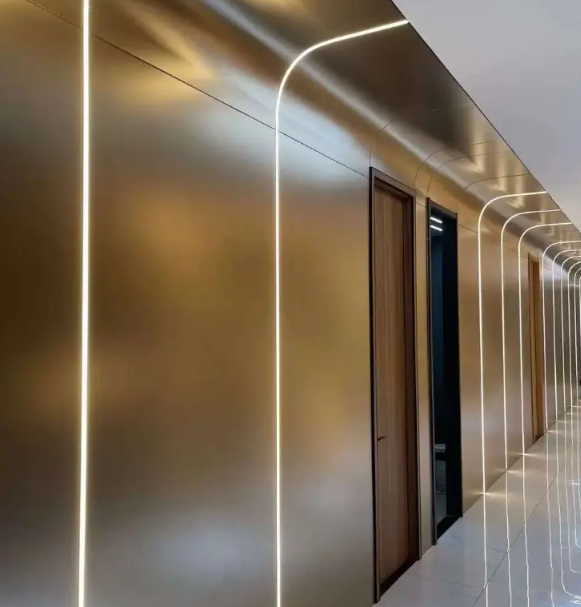
What Is WPC Wood Veneer and How Is It Made? Composition: Recycled Wood Fibers, Thermoplastics, and Natural Binders WPC wood veneer basically combines around 60 to 80 percent recycled wood fibers with thermoplastic materials such as polyethylene or ...
VIEW MORE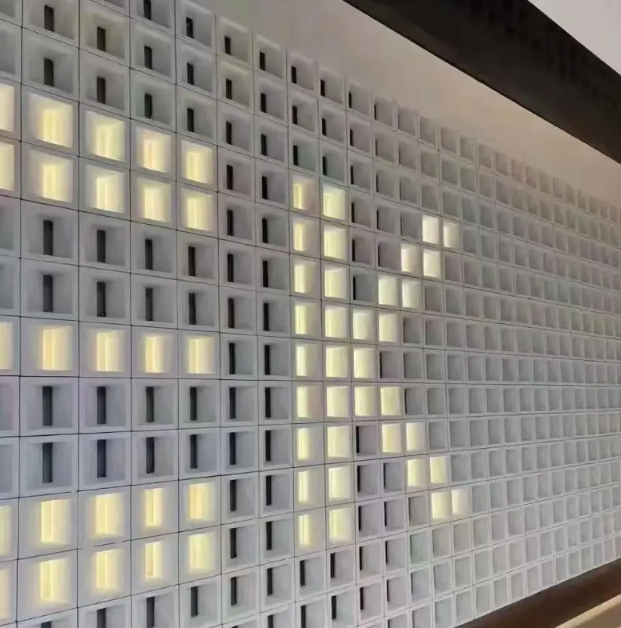
Key Durability Factors of PU Stone Panels Weather Resistance and Outdoor Suitability for Long-Term Performance Polyurethane stone panels stand up remarkably well against the weather thanks to their clever polymer construction. These materials soak ...
VIEW MORE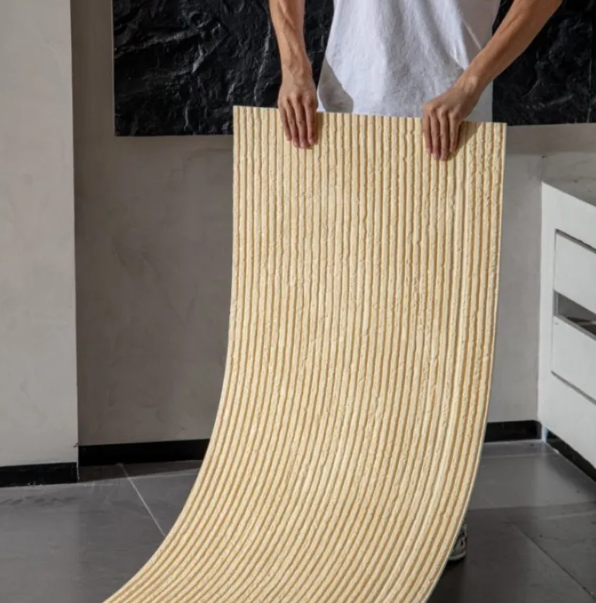
Soft Stone Fundamentals: Types, Hardness, and Performance Limits Limestone, travertine, and marble: key soft stone types for commercial use Limestone has those beautiful natural veins we all love, and it doesn't break the bank either. But here's th...
VIEW MORE
Understanding the Water Resistance of Stone Wall Tiles Waterproof vs Water-Resistant Tiles: Clarifying the Key Differences For stone wall tiles to truly be waterproof, they need absorption rates under 0.5%, according to ASTM C373 standards. Only ve...
VIEW MORE
Understanding WPC Wood Veneer Composition and Material Sourcing What Is WPC Wood Veneer? WPC (Wood-Plastic Composite) wood veneer combines recycled wood fibers with thermoplastic polymers to create a durable, moisture-resistant material for interio...
VIEW MORE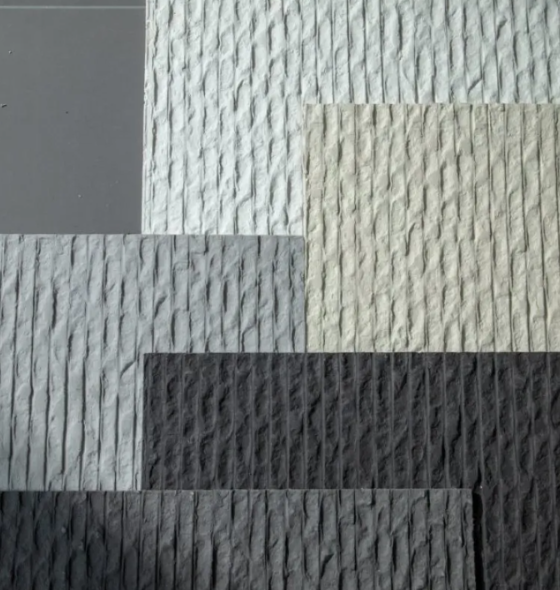
Interior Applications of Flexible Stone: Walls, Ceilings, and Room Dividers Creating Stunning Accent Walls with Flexible Stone Veneer Flexible stone veneer really takes interior design to another level because it lets homeowners get those beautiful...
VIEW MORE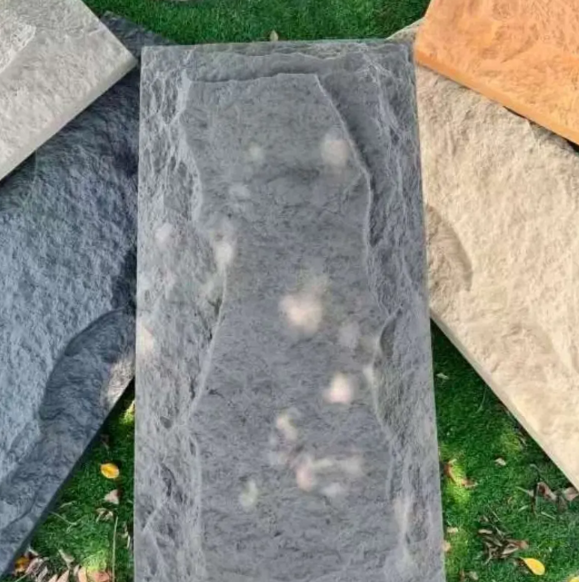
Composition and Manufacturing: The Foundation of PU Stone Durability Phenomenon: Rising Demand for Durable, Lightweight Wall Materials Architects and contractors increasingly prioritize materials that combine structural resilience with logistical e...
VIEW MORE
Shandong Falading specializes in PU stone, soft stone, and wood veneer production with 20 years of experience. Offering fast delivery, customization, and eco-friendly building materials for global clients.
No. 5267, Dachenghou Village, Lanshan Street, Lanshan District, Linyi City, Shandong Province,China
Copyright © 2025 by Shandong Falading New Decoration Material Co., Ltd. | Privacy policy