
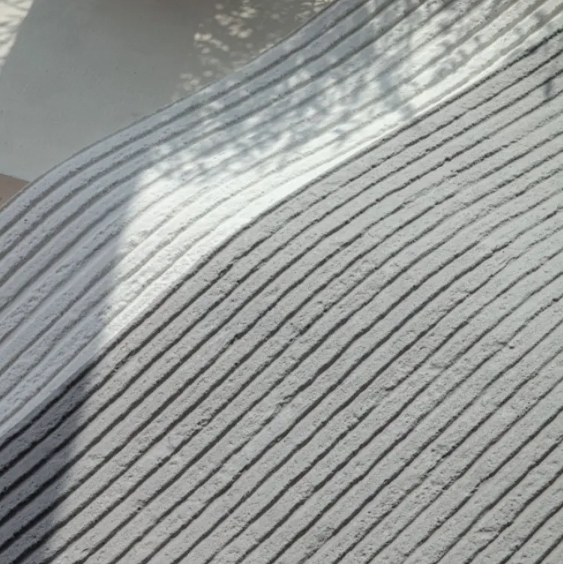
Soft Stone in High-Performance Commercial Building Facades
Why Architects Choose Soft Stone Over Hard Cladding for Energy-Efficient Mixed-Use Developments
More architects are turning to soft stones like limestone and travertine instead of steel or glass for their mixed-use buildings because these materials handle temperature changes much better. Natural stones act as built-in insulators, cutting down on energy usage by around 30% when compared to regular building facades according to a recent industry study from 2023. What makes them special is how they absorb heat during daylight hours then slowly let it go at night time, which helps keep indoor temperatures steady while reducing reliance on heating and cooling systems. This kind of passive thermal management not only meets tough energy regulations but also supports green building certifications such as LEED Platinum. Plus, designers still have plenty of creative freedom since these stones work well with other eco-friendly features like solar shades and natural air flow solutions.
How Porosity, Thermal Mass, and Machinability Enable Adaptive Facade Performance
Three intrinsic properties make soft stone uniquely suited for responsive, climate-adaptive building envelopes:
| Property | Functional Benefit | Performance Impact |
|---|---|---|
| Porosity | Natural moisture regulation | Prevents condensation buildup |
| Thermal mass | 12-hour heat absorption/release cycle | Stabilizes interior temperatures |
| Machinability | Precision shaping for airflow optimization | Enhances passive cooling |
Together, these traits support self-regulating façades that respond dynamically to environmental shifts—no mechanical systems required. For instance, CNC-perforated limestone panels on the Lisbon Innovation Hub increased cross-ventilation by 40% during summer peaks, directly contributing to its 18% HVAC energy reduction.
Case Study: Lisbon Innovation Hub — Limestone Facade Reducing HVAC Load by 18%
Looking at the north side of the Lisbon Innovation Hub, we find 20 centimeter thick limestone panels installed there with carefully milled air channels running through them. These panels work with their thermal properties to slow down when heat gets inside the building, which means less need for air conditioning especially around those hot afternoon times. According to tests done by third parties, this setup cut down on HVAC energy consumption by about 18% compared to nearby buildings covered in glass (based on audits from 2023). Plus it helped get that coveted LEED Platinum rating and saves roughly forty two thousand euros every year on operating costs. What this shows is that using softer types of stone can actually be both effective and economically smart choice for places like technology hubs and research centers.
Soft Stone Wall Cladding: Durability, Speed, and Design Adaptability
Pre-Finished Travertine Panels Accelerating Fast-Track Commercial Construction
Travertine panels that come pre finished really cut down on those long construction timelines because they combine lasting durability with the kind of precision only possible in factories. When everything is standardized in size and there's little need for cutting at the job site, installations can go about 34% quicker compared to regular stone work. These lighter panels just snap right onto the building frame itself, so no need for all those extra supports that usually hold things up during construction delays in hotels and office buildings. For mid rise projects, these ready made stone covers have actually saved anywhere from three to five whole weeks on the schedule, plus they keep colors and textures looking consistent across big building fronts. A construction boss once told me something interesting: "The tight machining tolerances meant we got through installing this whole shopping mall atrium in just twelve days instead of twenty five as originally planned." That kind of time saving makes a huge difference when deadlines are looming.
Sealing Systems and Joint Engineering for Long-Term Performance in High-Traffic Entrances
The advanced sealing systems and joint designs help keep soft stone surfaces intact even after years of constant walking traffic in busy places like airports, office buildings, and transportation centers. These special polymer-based sealants handle temperature changes without developing cracks. Compression joints take care of building movements naturally occurring over time. The non silicone vapor barriers let the material breathe properly without getting damp trapped inside. For areas where sunlight hits directly, UV resistant coatings are applied to stop color loss from happening too quickly. Soft stone stands out compared to standard rigid materials because it can handle small structural adjustments without losing its waterproof qualities. Most installations need just yearly checks and maybe some touch up work every few years, according to what we've seen from maintenance reports throughout 2024.
Soft Stone Interiors: Enhancing Acoustics and Ambience in Hospitality and Retail
Acoustic Benefits of Soft Stone: How Travertine and Limestone Reduce Mid-Frequency Reverberation
Travertine and limestone have a natural ability to soak up mid-range sound waves between about 500 to 2000 Hz because of their tiny pores. This actually cuts down on echo time by around 40% when compared with concrete surfaces. Pretty interesting fact is that these frequencies match pretty well with how humans talk normally. So spaces like big hotel lobbies, fancy restaurants with high ceilings, and those glass atriums become much better places for conversation since words don't get lost in echoes anymore. Smart architects take advantage of this characteristic specifically to combat what people call the "cafeteria effect" where everyone talks at once and no one can hear anything. They manage to create comfortable acoustics without having to install those ugly looking foam panels or other synthetic materials that stick out visually.
Case Study: Seoul’s Lumea Mall — Soft Stone Flooring Cuts Echo Complaints by 67%
Seoul’s Lumea Mall replaced polished granite with honed travertine flooring across its 12,000 m² atrium. Post-installation acoustic measurements showed:
| Metric | Before Installation | After Installation | Improvement |
|---|---|---|---|
| Average reverberation | 3.2 seconds | 1.8 seconds | 44% |
| Visitor echo complaints | 142/month | 47/month | 67% |
| Background noise level | 72 dB | 65 dB | 7 dB reduction |
The results confirm soft stone’s role in elevating occupant comfort and experience—especially in high-traffic commercial environments where acoustics directly influence dwell time and satisfaction.
Sustainability and Lifecycle Value of Soft Stone in Large-Scale Commercial Projects
Using soft stone brings real benefits for both the environment and wallet throughout a building's entire life cycle. The stuff is naturally made so it can actually get recycled at the end of its useful life either as landscaping gravel or even new wall coverings, which helps keep materials moving in circles rather than ending up in landfills. Get this material from nearby sources and transportation emissions plummet. Local quarries cut down on carbon footprints related to shipping by around 30% compared to bringing stone all the way from other countries. Thermal properties matter too. Buildings constructed with soft stone tend to need less energy to maintain comfortable temperatures inside. Take the Lisbon Innovation Hub for instance they saw their heating and cooling system workload drop by about 18% after switching to this type of stone.
The long term value of these materials gets a real boost from how tough they actually are. Maintenance requirements are pretty minimal really, mostly just needing occasional resealing every so often. This cuts down on running costs significantly across decades of use, sometimes lasting well beyond half a century in many cases. When something doesn't need replacing as frequently, there's obviously less hassle involved, plus we avoid creating unnecessary waste and reducing those hidden carbon emissions associated with manufacturing replacements. Soft stone products also stand up remarkably well structurally while maintaining their attractive appearance throughout their lifespan. For property owners concerned about preserving their investments, this material helps maintain asset values and meets green building standards such as LEED certification. Smart developers who think ahead know that choosing durable materials like this makes complete sense for both financial reasons and environmental responsibility.