
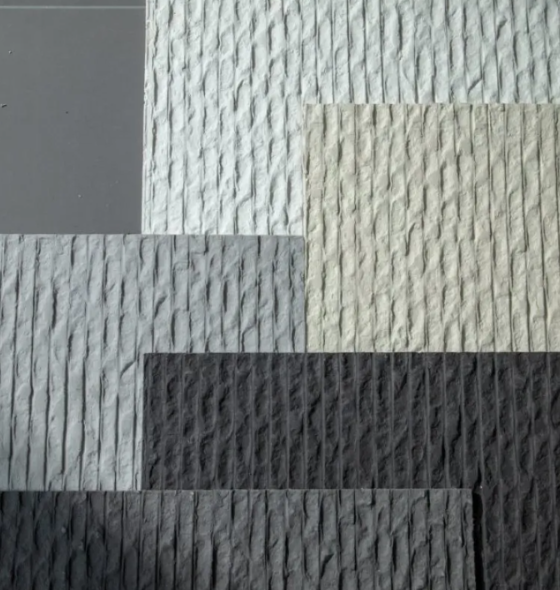
Interior Applications of Flexible Stone: Walls, Ceilings, and Room Dividers
Creating Stunning Accent Walls with Flexible Stone Veneer
Flexible stone veneer really takes interior design to another level because it lets homeowners get those beautiful natural stone looks on accent walls without all the hassle. We're talking super light stuff here, only about half a millimeter to 2 mm thick, so it sticks right onto drywall or whatever surface is already there. That makes it great for living rooms, front entries, even commercial spaces like hotel lobbies. According to some recent research from last year, around two thirds of architects are switching to this flexible option instead of old school cladding when they need to cover curved walls or create those cool geometric features. The main reasons? Money savings and speed. Most installations take under 25 minutes per square meter which saves everyone time and money. And unlike those heavy rigid slabs that crack easily, this material stays strong but bends nicely around archways or fits into those little recessed areas people love adding to their designs these days.
Enhancing Studies, Dining Rooms, and Bedrooms with Ceiling and Headboard Applications
The adaptability of flexible stone really shines when it comes to ceilings and headboards because of how light it is at just 0.2 to 0.5 pounds per square foot, which means buildings don't have to worry about extra structural strain. Bedrooms look like something out of a five star hotel when we put stone on headboards, and those textured ceilings in study areas actually cut down on echoing sounds by around 30 to 40 percent according to some research from the Acoustic Design Journal back in 2023. Dining spaces benefit too since matte finish stone ceilings spread light all around the room instead of creating harsh spots, making the atmosphere much nicer without needing any special support structures. Most designers love adding recessed LED lighting along with these stone features so they can showcase the beautiful natural patterns within the material itself.
Incorporating Room Dividers and Curved Entryways in Open-Concept Spaces
Flexible stone can actually bend around corners up to about 120 degrees without breaking, which makes it great for open plan spaces where walls aren't always straight lines. Room dividers backed with frosted resin offer something interesting too they let light through but still create some privacy between areas. These dividers also help insulate against sound since they have an R value somewhere between 1.2 and 1.8. When designing entryways for lofts or small studios, many architects now prefer curved stone veneer instead of sharp angles. Even tight curves down to just six inches radius work well to keep the space feeling connected rather than chopped up into sections. Some recent research from 2024 found that people living in studio apartments felt their spaces were bigger when these curved stone dividers were used, with roughly eight out of ten participants reporting this effect during surveys conducted last year.
Flexible Stone in Kitchens and Bathrooms: Durable, Water-Resistant Surfaces
Installing flexible stone backsplashes and island facades in kitchens
Flexible stone is changing the game when it comes to kitchen design because it brings together the look of natural stone with stuff that actually lasts. These thin panels are only about 1 to 2 mm thick, so they can go right over whatever surface already exists without much hassle. That makes them great for those tricky backsplash areas around electrical outlets and plumbing fixtures where regular tiles would be a pain to fit. The material can handle pretty decent heat too, standing up to temperatures as high as 158 degrees Fahrenheit or 70 Celsius, which means no worries about placing them behind hot stoves. Plus, since the surface doesn't absorb anything, grease and food stains just slide off instead of sticking around. A recent study from 2023 found kitchens with these backsplashes spent about 40 percent less time on cleaning than ones with traditional tile work, which adds up nicely over time.
Cladding cabinetry, furniture, and kitchen fixtures for a seamless look
Designers leverage the material's flexibility to wrap entire kitchen islands and appliance fascias in continuous stone finishes. Unlike rigid slabs that require visible seams, flexible stone conforms to curved edges and irregular shapes. Standard applications include:
- Integrated stone cladding across drawer fronts and cabinet doors
- Unified surfaces spanning countertops, sinks, and built-in appliances
- Matching ventilation hood covers and pantry accent panels
Using water resistant flexible stone in showers, niches, and bathroom walls
The flexible stone has been designed to resist water penetration and actually complies with those ASTM C1266 guidelines for areas where moisture is a concern. Water absorption stays under 0.5%, which makes it really important for places like shower walls or anywhere steam tends to hang around in bathrooms. Contractors who have worked with this stuff say projects get done about 30% quicker than when using regular ceramic tiles. The panels stick right onto waterproof surfaces without needing all those annoying grout lines that take so much time to clean. Some newer versions now come with edges already sealed and treated surfaces that fight off microbes, which explains why many designers are choosing this material these days for their upscale spa style bathrooms.
Fireplace Surrounds and Indoor Heating Features with Flexible Stone
Modernizing Fireplace Surrounds with Heat-Resistant Flexible Stone Veneer
Interior design trends today are seeing more homeowners turn to flexible stone veneers when building fireplace surrounds that need both fire resistance and good looks. These thin stone options, usually around 1 to 2 mm thick, work really well on those tricky curved walls and awkward corners without falling apart or losing strength. The materials used in modern veneers have come a long way too. They can handle heat from flames reaching over 300 degrees Fahrenheit (about 150 Celsius) while keeping their original colors and textures intact. This matters a lot for anyone installing either wood burning or gas fireplaces where appearance counts as much as safety.
Extending Designs to Media Walls, Columns, and Adjacent Architectural Elements
Flexible stone cladding has become something of a game changer for designers wanting to blend heating elements into their architectural designs. The beauty of this approach is how one continuous stone veneer can stretch right across from the fireplace mantle out to those media walls on either side. It works wonders when wrapping around support columns too, or even flowing up into those curved ceiling nooks that are so popular these days. What makes this technique really stand out is how it creates that seamless look throughout an open space. Homeowners love seeing everything flow together without any jarring transitions between different materials or sections of the room.
- Heat dispersion: Stone's thermal mass stabilizes ambient temperatures, reducing energy costs by 12-18% compared to drywall setups (2023 Building Materials Efficiency Report)
- Design versatility: Install bends up to 90° for corner-intensive layouts
- Low maintenance: Non-porous finishes resist soot accumulation
Flexible stone installations around fireplaces now account for 23% of residential renovation projects, reflecting homeowners' preference for durable, design-forward heating solutions.
Exterior Uses: Facades, Outdoor Living Areas, and Weather-Resistant Cladding
Applying Flexible Stone to Exterior Facades and Structural Cladding Systems
Flexible stone veneer brings together classic looks with contemporary toughness, which makes it great choice for building exteriors and wall coverings. Weighing in at around 70 percent less than real stone, this material makes installation much easier on those tricky curved walls or sharp angles, all while still standing up to whatever weather comes along. Many architects have started turning to this option because it handles sun damage pretty well and doesn't warp when temperatures fluctuate throughout the seasons. The color stays consistent too, so buildings maintain their appearance year after year no matter where they're located climatically speaking.
Enhancing Outdoor Kitchens, Patios, and Garden Walls with Durable Finishes
Flexible stone works great for outdoor kitchens and seating areas because it has this amazing non-porous surface that just won't soak up grease, water marks, or those inevitable food spills we all deal with. Garden walls and patio dividers look fantastic with this material since it ties everything together visually, making the transition from inside to outside feel seamless rather than abrupt. The stuff is seriously tough too, standing up to heavy foot traffic without cracking thanks to its impressive compressive strength around 25 MPa. And get this the colors stay vibrant for years on end because they're resistant to fading under sunlight exposure. No more worrying about dull looking patios after a few seasons!
Wrapping Curved Columns and Designing Pool Surrounds in Outdoor Environments
Flexible stone works really well when creating those flowing architectural features we see these days, such as curved entry columns or those cool infinity edge pools everyone wants. What makes this material special is how it bends around corners as small as about 5 centimeters, so there aren't any awkward seams where walls meet floors or ceilings. Around pools specifically, the stone has a grip that keeps people from slipping and stands up against chlorine damage even after years of being submerged. When installed correctly with proper sealing, these stones handle temperature changes just fine, which means they work pretty well in places where winter freezes come and go season after season.
Basements and Creative Projects: Moisture Management and Custom Cladding
Transforming basements with textured finishes and light-reflective surfaces
Flexible stone veneer brings new life to those neglected basement corners by adding natural looking textures such as slate or quartzite designs. The reflective qualities of these materials really help when dealing with poor lighting situations, especially since many basements suffer from lack of natural light. Some limestone inspired options can actually make a space feel brighter by around 40% compared to regular drywall surfaces. More interior designers are now going for ribbed or three dimensional stone panels on accent walls throughout homes. These create interesting depth effects particularly useful in family rooms where people gather or even in home offices where a bit of visual interest makes all the difference.
Mitigating moisture risks through proper sealing and installation techniques
Moisture control is really important for basements, especially since around 58% of these underground areas run into problems with humidity damage according to the National Association of Home Builders in 2023. When installing flexible stone surfaces, experts suggest using closed cell foam backing boards along with silicone sealant between the joints to stop moisture from getting through. For areas that tend to flood, many professionals advise putting down two layers of waterproof membrane under any exterior covering materials. They also often install French drains as part of their overall strategy for keeping water away from foundation walls and preventing long term damage issues.
Custom decorative accents on furniture, beams, fire pits, and architectural details
Flexible stone isn't just for walls anymore it works great on those tricky curved bar fronts, around fireplace mantles, even on built-in shelves thanks to those fancy CNC cuts. Recent surveys from 2023 show something interesting about interior design trends 72 percent of people doing renovations are turning to these ultra thin stone veneers. They wrap them around structural beams or make matching furniture pieces look amazing. The stuff is only 0.5 mm thick which means it sticks right onto wood or metal surfaces using special adhesives. Contractors love working with it because it blends so well without leaving gaps or looking out of place.
Table of Contents
- Interior Applications of Flexible Stone: Walls, Ceilings, and Room Dividers
- Flexible Stone in Kitchens and Bathrooms: Durable, Water-Resistant Surfaces
- Fireplace Surrounds and Indoor Heating Features with Flexible Stone
- Exterior Uses: Facades, Outdoor Living Areas, and Weather-Resistant Cladding
- Basements and Creative Projects: Moisture Management and Custom Cladding