
Interior Residential Applications for Flexible Stone
Feature Walls, Fireplace Surrounds, and Accent Zones
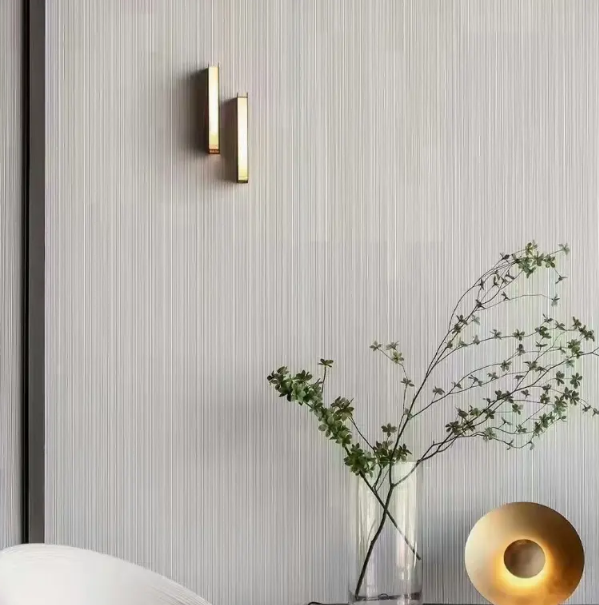
Flexible stone changes how we think about home decor because it looks just like real stone but works so much better for design purposes. At only 2 to 3 mm thick, this stuff can go anywhere even on those tricky curved fireplaces without needing messy grout lines or obvious joins between pieces. Plus, it stays stable when exposed to heat from the fireplace area too. When creating feature walls, homeowners get amazing visual results without dealing with the heavy lifting required for actual stone materials. This makes all the difference during renovations where building structures might not support traditional stone weights. Because it's so thin, designers can create detailed patterns in special areas around the house like custom headboards with texture or hallway panels featuring interesting patterns, and they don't need to do major work to existing surfaces first. The surface resists scratches and daily knocks around the house pretty well. What makes flexible stone stand out though is its natural appearance. Every installation has different vein patterns, so nobody ever sees exactly the same design twice.
Kitchen Backsplashes and Dining Area Enhancements
Kitchen backsplashes made from flexible stone offer something most homeowners dream about clean surfaces that stay looking fresh without constant scrubbing. The material simply won't absorb oils, water spots, or those stubborn coffee rings we all hate. Tests show people spend around 40% less time cleaning these surfaces compared to traditional options. What's more, this stuff handles the intense heat right behind the stove top area and stops mold from taking hold in damp corners. Move over to dining rooms and the benefits continue. Flexible stone actually helps cut down on echoing noises so conversations flow better during dinner parties. And since it doesn't fade under sunlight, breakfast nooks near windows keep their vibrant colors year after year. Interior designers love working with this material too. They can shape it into curved banquettes that hug walls, create interesting coffered ceiling effects, or install striking feature walls. Big panels snap together fast with special adhesives, meaning less mess during installation and no need to tear out existing walls just to upgrade.
Bathroom and Wet-Area Installations with Flexible Stone
Shower Walls, Tub Surrounds, and Waterproof Adhesion Performance
Flexible stone works really well in damp spaces like bathrooms and around bathtubs because of the waterproof backing made from polymers. This stops water from getting through and basically gets rid of those mold problems that happen at the grout lines between regular tiles. The surface stays pretty much the same temperature throughout, so there are no icy patches when stepping out of the shower, which makes all the difference in those steamy bathroom moments. Getting the base ready properly matters a lot too. Follow what the manufacturer says about priming, especially important in places where humidity hangs around all day long. We've seen installations last way longer than expected just by doing this right. Cleaning is straightforward with basic pH neutral stuff, and the look stays fresh looking for years without fading or cracking. After ten plus years, most folks still love how it looks and functions safely while keeping their space stylish at the same time.
Vanity Walls and Spa-Grade Mold-Resistant Cladding
Flexible stone vanity walls bring that luxurious spa feel while actually standing up to daily wear and tear. Made from minerals and completely non porous, these surfaces just don't let mold or bacteria take hold, even when there's lots of moisture hanging around. They handle all that humidity without bending out of shape or getting stained over time. Putting them around bathroom mirrors and near sinks isn't complicated at all. Most installers find they need very little cutting to make everything fit nicely together. Another big plus? These materials stay stable when temperatures change, so no more dealing with those annoying damp spots that form on other waterproof materials. When designing steam rooms or saunas specifically, it makes sense to go with panels containing UV stabilized resins. This keeps colors looking fresh much longer and maintains performance standards. The result is a space focused on wellness that doesn't demand constant attention. A good deep clean every three months usually keeps things in tip top condition without breaking the bank on maintenance costs.
Commercial & High-Traffic Flexible Stone Installations
Flexible stone has become a go-to solution for commercial spaces because it manages to blend toughness with good looks. We see retailers installing it at checkout counters and along those eye-catching feature walls where customers pass by all day long. The surface just doesn't show scratches no matter how many people bump into it throughout the week. Hotels love using this material in their lobbies too, especially around elevators and restaurant seating areas. Since it repels water so well, staff don't spend hours scrubbing after spills or messes. Airports and train stations are another big market for flexible stone. These places deal with massive crowds daily, plus all sorts of weather conditions and occasional graffiti problems. What makes it even better is that the stuff weighs less than regular stone options, which cuts down on installation time by somewhere between 30% and 40%. That means fewer workers needed for longer periods. Plus, since it resists mold growth and stays clean easily, hospitals and public bathrooms across the country are switching over to this material as part of their ongoing facility upgrades.
Flexible stone has become quite popular for renovating older buildings these days, especially places like museums, libraries, and office spaces where budgets are tight but appearances matter. The material is really thin so contractors can apply it right over what's already there without tearing anything down, which saves time and money during projects. Some folks might not realize this, but when we add those special UV resistant sealants to the mix, the stone actually works well on parts of buildings that get some sun exposure too. Think about those fancy canopy ceilings above store entrances or decorative columns at building entrances. This property makes flexible stone particularly useful for chains expanding their presence across different cities, since they need all their locations to look exactly the same while keeping renovation costs under control.
Curved, Contoured, and Architecturally Complex Surfaces
Arches, Columns, Pillars, and Interior Corners
Flexible stone works really well on tricky shapes such as arches, columns, and those vaulted ceilings that give spaces character. Regular materials just crack when forced around these bends. The stuff can handle curves down to about 5cm radius without peeling away or snapping back after installation, which means sharp clean lines that last. No need to call in special masons or pay extra for skilled workers either this cuts down construction time by roughly 40% in many cases. Most installers stick with regular glue and basic cutting equipment for jobs that would otherwise require expensive tools. For inside corners, there are super thin tiles (around 1 to 2mm thick) that fit right against walls without creating those unsightly thick seams everyone hates. Spaces look cleaner and more contemporary because of it.
Outdoor Flexible Stone Applications and Limitations
Patio Cladding, Garden Walls, and Alfresco Design Considerations
Outdoor spaces get a real upgrade when using flexible stone that looks like natural rock but works better in the long run. The material holds up pretty well against sun damage, water seepage, and even super cold or hot weather conditions, generally surviving temperatures between minus 40 degrees and around 175 degrees Fahrenheit. That makes it work across most regions without much trouble. People often install this stuff on patios, around garden beds, or as eye-catching features in backyard areas. Still, getting good results outside really comes down to how it gets put in place initially.
- Bending radius: Curved installations must stay within manufacturer specifications to avoid delamination.
- Substrate: Concrete or cement board is required in high-traffic zones to prevent flexural fatigue.
- Maintenance: Bi-annual resealing is recommended, especially in freeze-thaw regions, to preserve water resistance.
While installation is faster than traditional stone, complex garden wall designs may still require skilled labor for irregular layouts. Its lightweight nature reduces structural demands, but adhesive selection is critical to ensure long-term bonding in humid or exposed conditions.