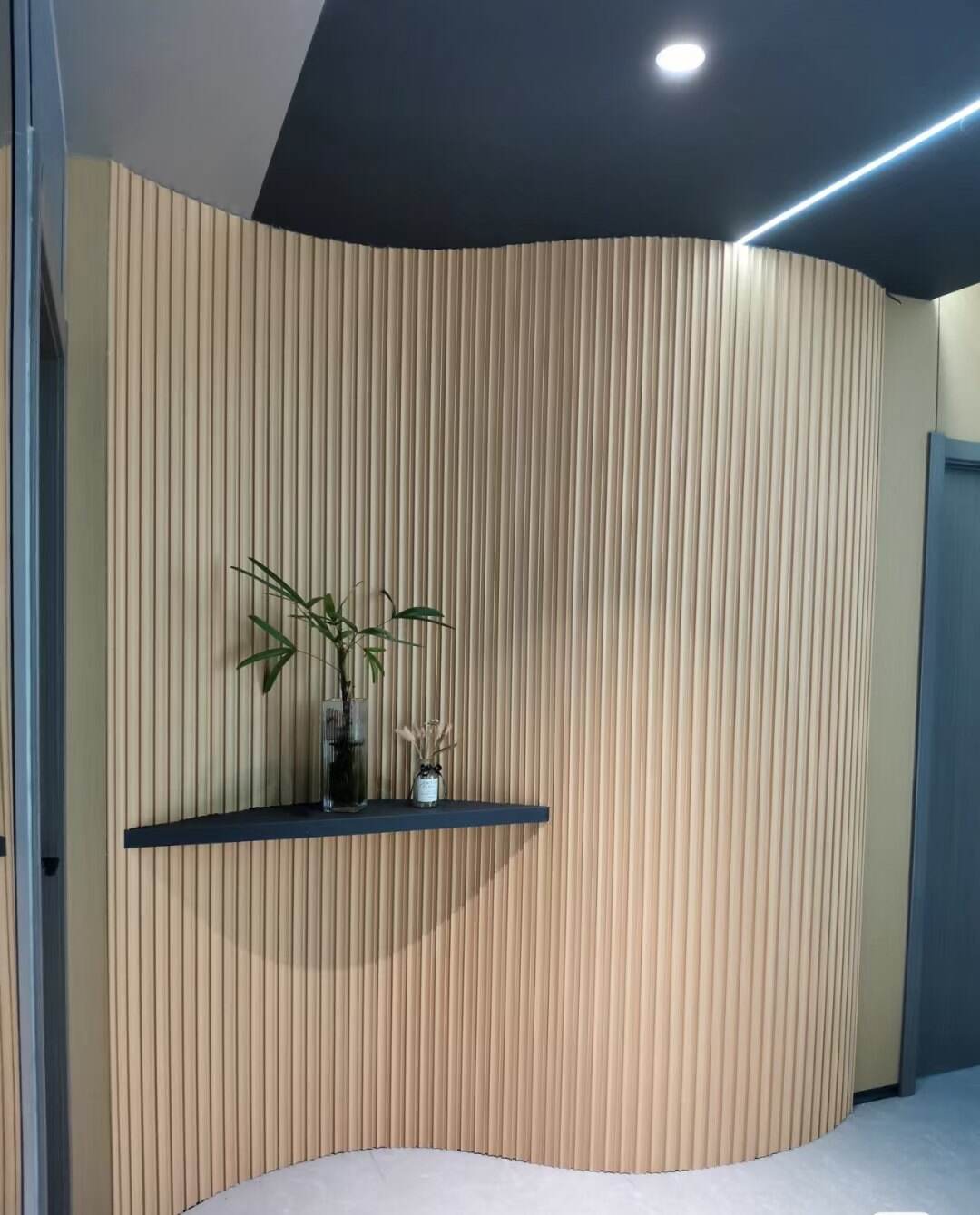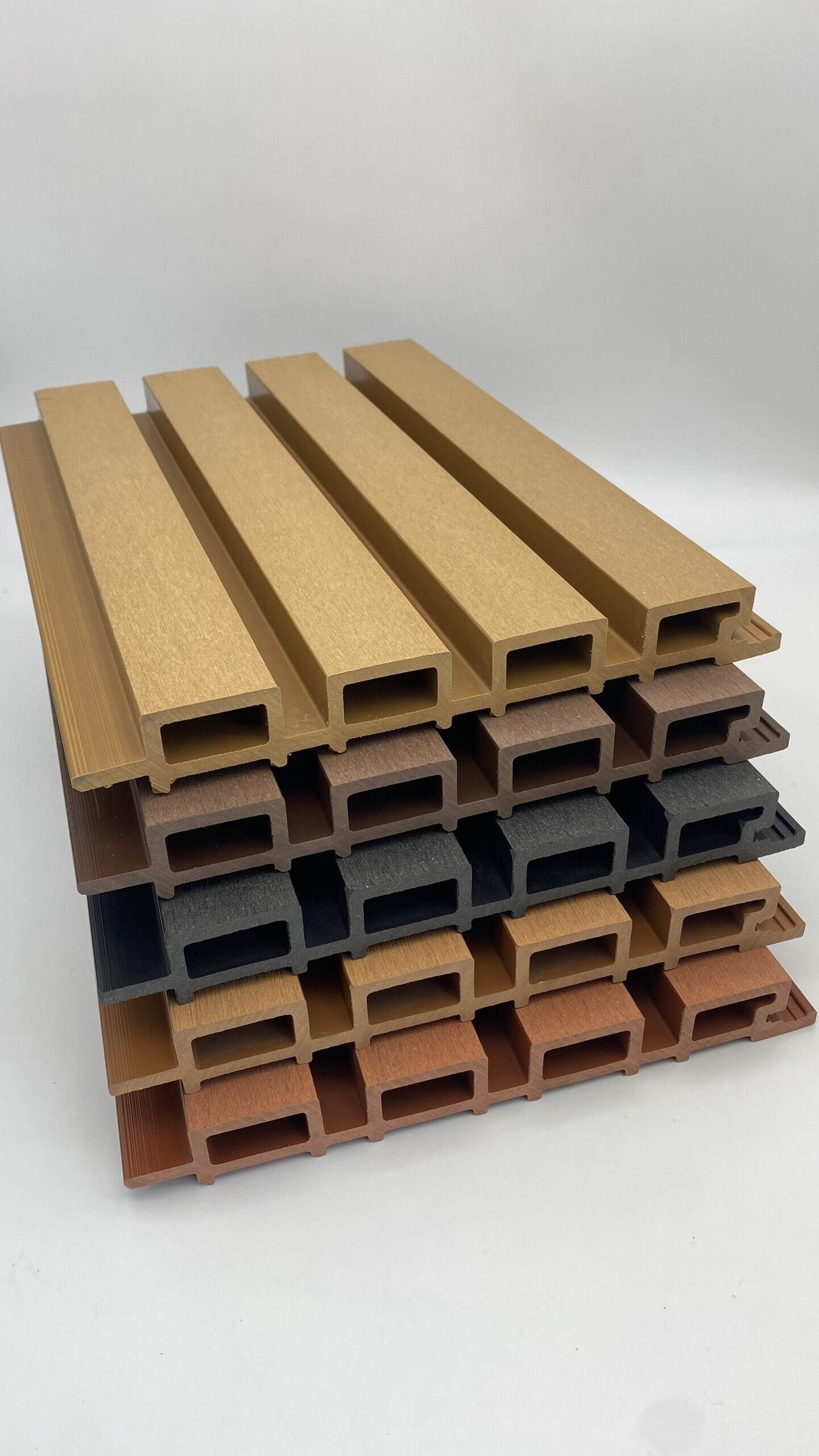
Waterproof WPC wood veneer is a specialized engineered material designed to withstand prolonged exposure to moisture, making it a game changer for applications where traditional wood or even standard WPC products might fail. Composed of a blend of wood fibers, thermoplastic polymers (usually HDPE or PVC), and waterproof additives, this veneer undergoes a proprietary manufacturing process that eliminates porous spaces, creating a barrier against water absorption. Unlike natural wood veneer, which swells or warps when wet, or standard WPC that may absorb limited moisture over time, waterproof WPC wood veneer achieves a water absorption rate of less than 2%, ensuring dimensional stability even in high humidity environments. The key to its waterproof performance lies in the polymer matrix that encapsulates the wood fibers, preventing water from penetrating the material. Additionally, manufacturers often add UV stabilizers and anti microbial agents, enhancing its resistance to sun damage and mold growth—critical for outdoor applications like patio furniture, exterior cladding, or poolside cabanas, as well as indoor spaces such as bathrooms, kitchens, and laundry rooms. Aesthetically, waterproof WPC wood veneer does not compromise on visual appeal. It replicates the natural grain patterns and textures of wood species like teak, cedar, or mahogany, using advanced printing techniques that mimic the depth and variation of real wood. This allows it to seamlessly integrate into designs where both functionality and aesthetics are paramount, from luxury yachts to high end residential bathrooms. Practical benefits extend beyond water resistance. The material is lightweight, making it easy to transport and install, and it resists scratches, dents, and fading, ensuring long term durability. Its low maintenance nature—requiring only occasional cleaning with water or mild detergent—reduces lifecycle costs compared to materials that need regular sealing or treatment. Environmentally, waterproof WPC wood veneer often utilizes recycled wood and plastic, contributing to circular economy practices. It also reduces the demand for tropical hardwoods, which are often harvested unsustainably. For architects, designers, and homeowners seeking a wood like appearance in moisture prone areas without sacrificing performance, waterproof WPC wood veneer stands out as a reliable, versatile, and sustainable choice.


Shandong Falading specializes in PU stone, soft stone, and wood veneer production with 20 years of experience. Offering fast delivery, customization, and eco-friendly building materials for global clients.
No. 5267, Dachenghou Village, Lanshan Street, Lanshan District, Linyi City, Shandong Province,China
Copyright © 2025 by Shandong Falading New Decoration Material Co., Ltd. | Privacy policy