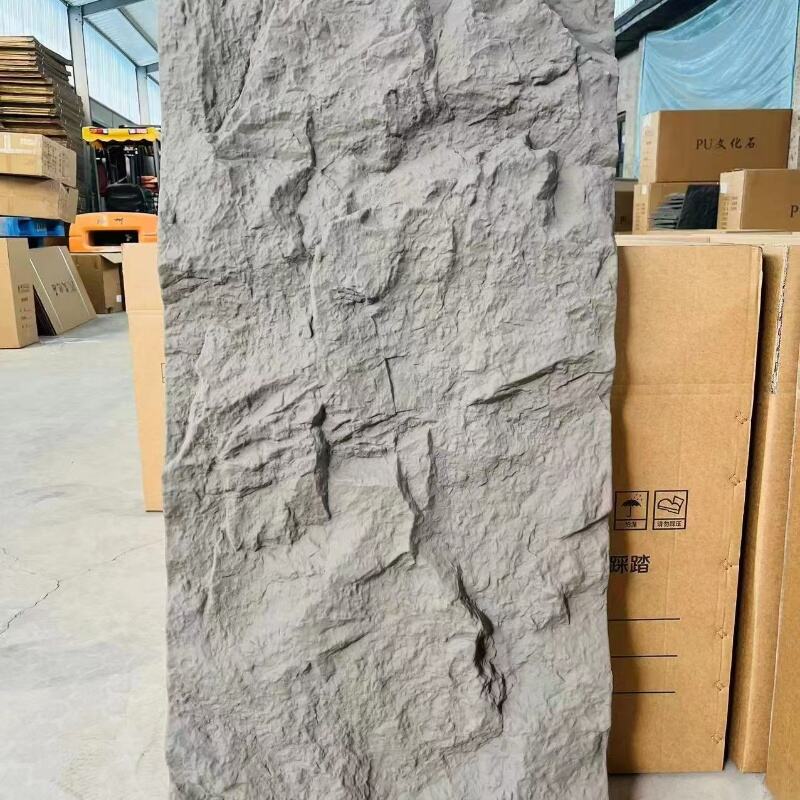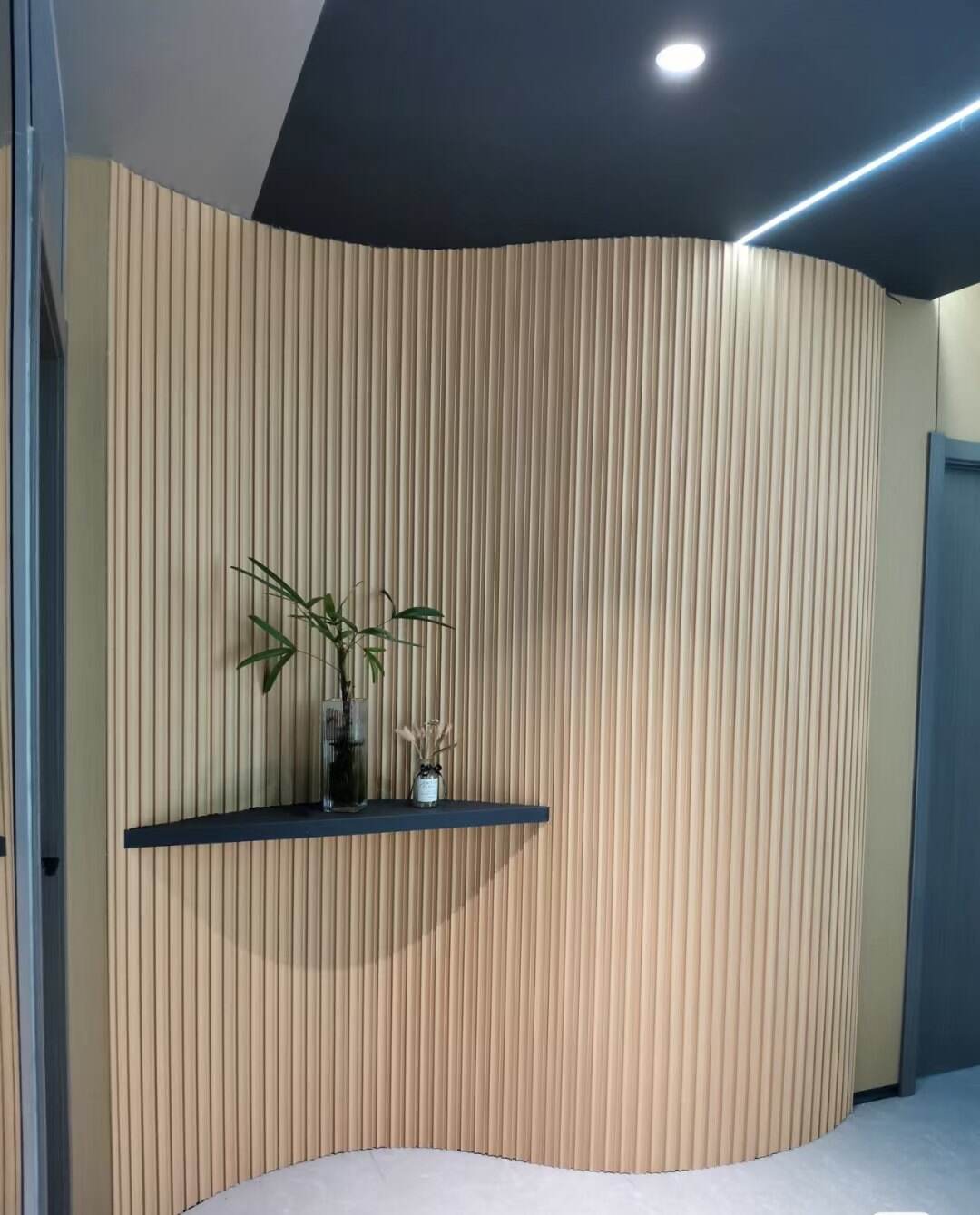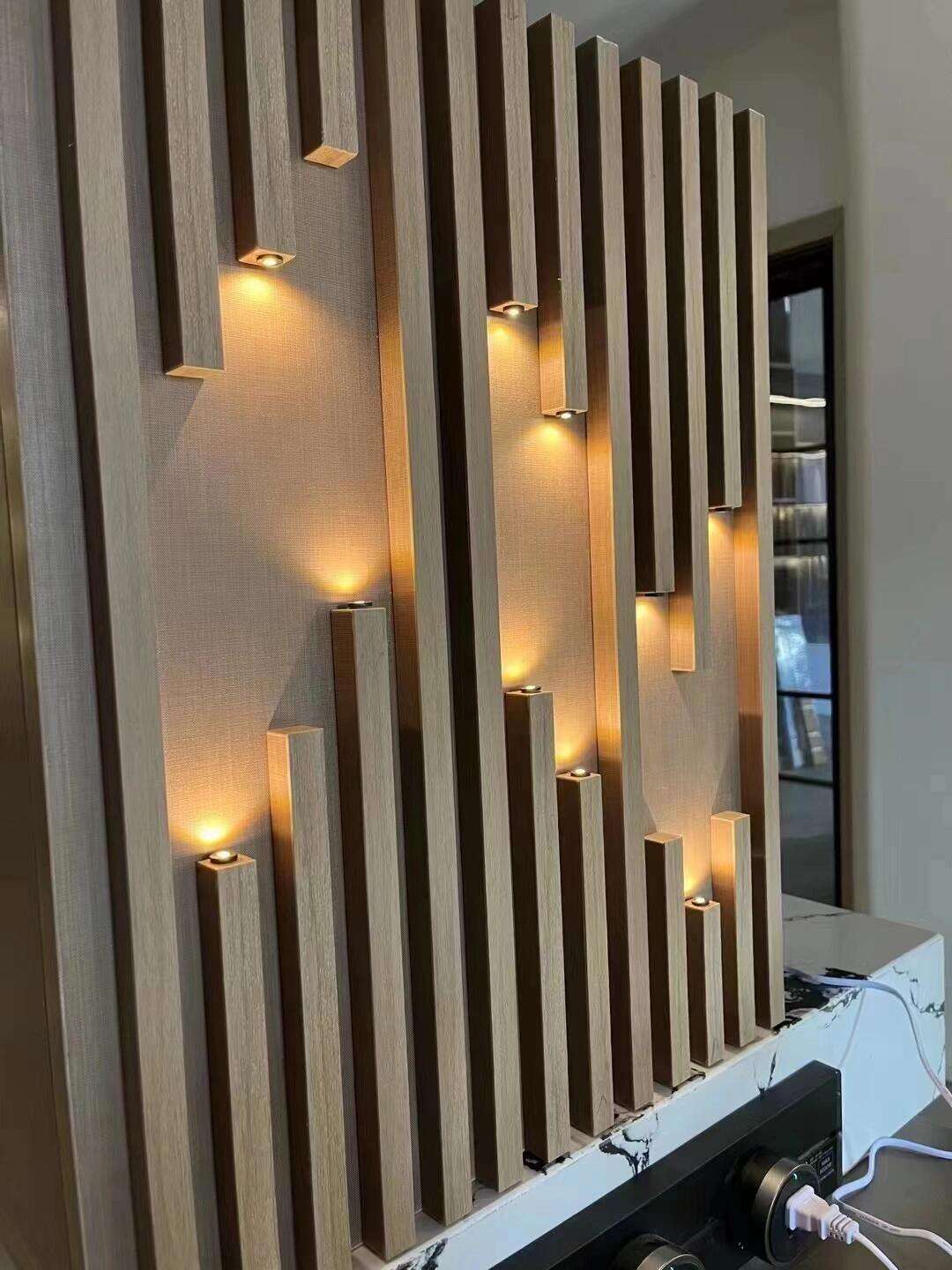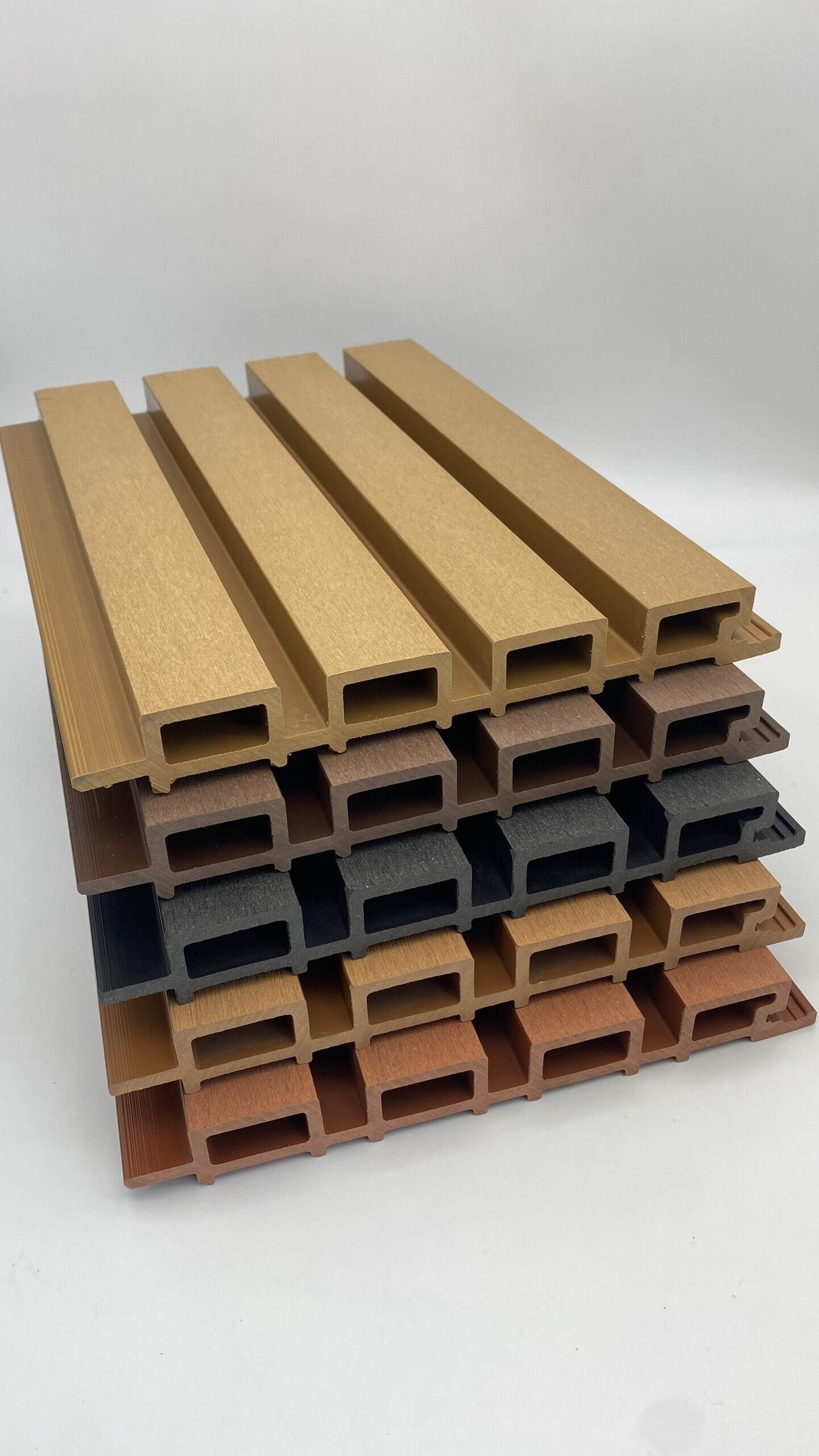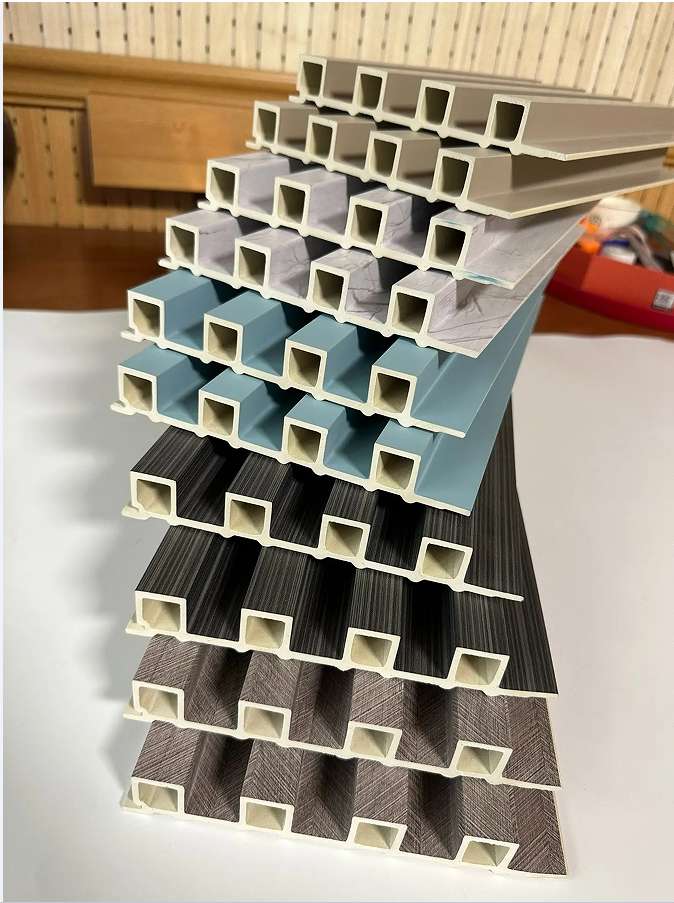
Natural grain WPC wood veneer represents a sophisticated fusion of natural aesthetics and engineered durability, designed to replicate the intricate patterns of real wood while overcoming its limitations. This material combines wood fibers (typically from sustainable sources like pine or oak) with thermoplastic polymers (such as HDPE or PVC) through a high pressure extrusion process, resulting in a thin veneer that captures the organic grain, knots, and color variations characteristic of natural wood. What sets it apart is the precision with which manufacturers mimic natural wood patterns—using advanced printing technologies and mold designs that replicate the unique grain structures of species like teak, walnut, oak, or maple. These patterns are not only visually convincing but also consistent across large batches, ensuring uniformity in large scale projects such as hotel lobbies, retail spaces, or residential developments. Beyond aesthetics, natural grain WPC wood veneer offers exceptional performance benefits. Unlike natural wood veneer, which is prone to warping, cracking, or fading when exposed to moisture or UV light, this engineered variant is highly resistant to water, making it suitable for humid environments like bathrooms, kitchens, or coastal properties. Its resistance to insect infestations and rot further extends its lifespan, reducing the need for frequent replacements. The material’s flexibility allows it to be applied to curved surfaces, such as cabinet doors, furniture edges, or wall panels, expanding design possibilities that would be challenging with rigid natural wood. Installation is streamlined due to its lightweight nature and compatibility with standard adhesives, reducing labor costs and installation time. Maintenance is minimal, requiring only occasional cleaning with mild soap and water, eliminating the need for staining, sealing, or painting—common upkeep tasks for natural wood. This low maintenance profile makes it ideal for commercial settings where downtime for maintenance is costly. Environmentally, natural grain WPC wood veneer often incorporates recycled wood fibers and plastics, reducing reliance on virgin materials and diverting waste from landfills. It also supports sustainable forestry practices by minimizing the demand for rare or endangered wood species. For designers and architects seeking the warmth and authenticity of natural wood without its vulnerabilities, natural grain WPC wood veneer offers a versatile, durable, and eco conscious solution.


Shandong Falading specializes in PU stone, soft stone, and wood veneer production with 20 years of experience. Offering fast delivery, customization, and eco-friendly building materials for global clients.
No. 5267, Dachenghou Village, Lanshan Street, Lanshan District, Linyi City, Shandong Province,China
Copyright © 2025 by Shandong Falading New Decoration Material Co., Ltd. | Privacy policy