
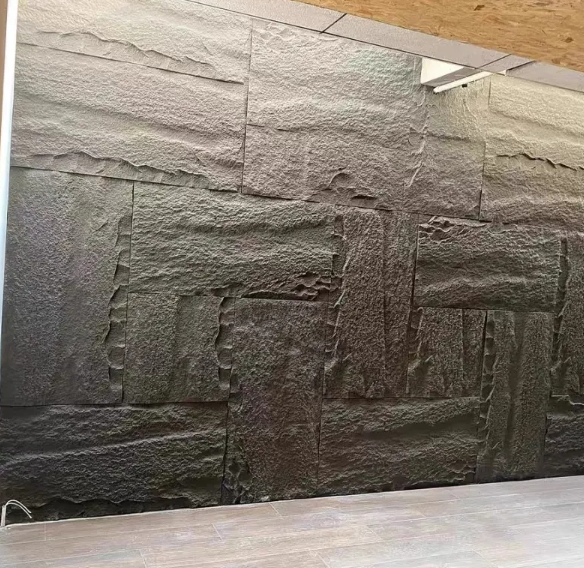
Što su kamene pločice? Vrste, materijali i glavne osobine
Kamene pločice su tanke, izdržljive ploče, ili iskorištene iz prirodnih mineralnih naslaga ili izrađene od kompozitnih materijala, posebno dizajnirane za vertikalne primjene. Oni spajaju organski vizualni privlačnost s visokim performansama funkcionalnosti, nude teksturu, dubinu i otpornost da sintetičke alternative bore da se ponavljaju.
Prirodne ili proizvedene kamene pločice
| Karakteristika | Prirodni kamen | Proizvodi od kamena |
|---|---|---|
| Podrijetlo | Kamenirani minerali | S druge vrste |
| Izgled | Jedinstveni prirodni obrazac žila | Ujednačene boje i teksture |
| Održavanje | Zahtijeva zatvaranje protiv vlage | Smanjena održavanje, neporozna |
| Težina | Teška (potreban je strukturalni potpora) | Lagano i lakše za instaliranje |
Prirodni kamen pruža jedinstvenu autentičnost, ali zahtijeva stručnu instalaciju i stalnu negu. Proizveden kamen nudi konzistentnost, pristupačnost i otpornost na vodu, što ga čini posebno praktičnim za komercijalne kupaonice i okruženja s visokom vlažnošću.
Popularni materijali: vapnenac, slajd, travertin i kvarcitet
- Vapa : Mekan, porozan, toplo bejz boja; idealan za rustične akcentirane zidove, ali zahtijeva često zapečaćivanje.
- Škriljevac : Prirodno pukla, otporna na klizište površina u dubokoj sivoj boji; pogodna za vanjske obloge i zidove.
- Travertin : Odlična čvrsta tekstura u zemaljskim tonovima; obilježje ugostiteljskih prostora mediteranskog stila i doprinosi pasivnoj regulaciji topline.
- Kvartcita : Metamorfska tvrdoća koja se može nadmetati granitu; izvrsno se koristi u maloprodajnim i javnim lobbijima s velikim prometom gdje se izdržljivost ne može pregovarati.
Upotreba u projektiranju: Gdje koristiti kamene pločice za zidove za maksimalan učinak
Akcentni zidovi i površine u ugostiteljstvu i maloprodaji
Kamene pločice se zaista ističu kao središnje točke u mjestima kao što su hoteli i restorani. Kad hotelijer postavi te kamene zidove iza recepcije ili pored barova, gosti imaju osjećaj da dobivaju nešto luksuznije. Neka istraživanja zapravo pokazuju oko 30% poboljšanja u tome koliko korisnici smatraju vrijednim mjesto. Malo trgovine su uhvatili previše. Stavljaju ove kamene karakteristike blizu prikaza proizvoda jer ljudi provode oko 25% više vremena gledajući predmete prikazane u odnosu na prirodne kamene uzorke. Mali poduzeća koja žele pokazati svoju umjetničku kvalitetu ili ekološke povlastice smatraju kamen posebno korisnim. Sam materijal govori mnogo o autentičnosti bez potrebe za dodatnim objašnjenjima ili znakovima.
Vanjska obloga i unutarnja fasada u poslovnim zgradama
Kada arhitekti biraju kamene pločice za vanjske primjene, obično traže materijale koji mogu izdržati vremenske uvjete godinama bez potrebe za velikim radom održavanja. Dobro instaliran sustav košta oko pola posto godišnje održavanja, a ove instalacije često traju više od pedeset godina. To je zapravo dvostruko duže trajanje od sintetičkih alternativa prema većini studija životnog ciklusa koje smo vidjeli. Za unutarnje prostore poput poslovnih predvorja ili atrijuma, kamene fasade donose hitnu težinu i ozbiljnost prostoru. Osim toga, materijal pomaže u regulisanju temperature jer tako dobro zadržava toplinu, smanjujući troškove grijanja i hlađenja za otprilike 15 posto. Kamen jednako dobro djeluje na zidovima unutar zgrada kao i izvan njih, što ga čini svestranim izborom koji kombinuje izgled s praktičnim prednostima za graditeljske projekte velike i male veličine.
Uređivanje najpovoljnijih praksi za kamene pločice
Pravilna instalacija osigurava dugoročnu učinkovitost i očuva vizualni integritet materijala. Uspjeh ovisi o spremnosti podloge, kontroli vlažnosti i preciznom odabiru materijala.
U skladu s člankom 6. stavkom 2.
Instalacije prirodnog kamena zahtijevaju početak od nule sa površinom koja je ne samo čista, već i savršeno ravna, potpuno suha i strukturno čvrsta. Temelj mora biti otprilike dvostruko čvrstiji u usporedbi s onim što obično vidimo pod keramičkim pločicama prema nedavnim smjernicama Ceramic Tile Foundation iz 2023. Prije postavljanja kamena, neophodno je ukloniti sve čestice prašine i ostatke starog ljepila. Vodootporne membrane svakako trebaju ići u područja gdje će voda biti prisutna, kao što su tušovi ili kada se bave vanjskim zidovima izloženim kiši. Ne zaboravite ni na pravilnu drenažu iza obloga jer stagnirajuća voda može s vremenom stvoriti ozbiljne probleme zbog povećanja pritiska. I prvo provjerite vlažnost! Ako je podloga ima više od 75% relativne vlažnosti, to će biti problem ispred s obje lepilne neuspjeha i odvratne soli naslage formiranje na površini kasnije.
U skladu s člankom 3. stavkom 2.
Odgovarajte kemiji lepila na sastav pločica: malteri na bazi cementa odgovaraju većini prirodnih kamenja; epoksi se preferira za gust, neproporusan kvarcitet. Pratite sljedeće ključne mjere:
| Fazna | Najbolja praksa |
|---|---|
| Nanosenje ljepila | Uređaj za obnavljanje i obnavljanje |
| Betoniranje | U slučaju da je primjena ovog standarda primjenjiva, primjenjuje se sljedeći metod: |
| Zaptivanje | U slučaju da se ne primijenjuje, upotrebljava se: prije zalijevanje; ponovno primjenjuju se svake godine u zonama s velikim prometom |
Brzo se čvrsto drže lepilne materije koje se moraju potpuno staviti u 30 minuta. U slučaju mokrih područja provjerite integritet sustava nakon 72 sata nakon izliječenja.
Održavanje, izdržljivost i dugoročna vrijednost kamenih pločica
Kamene pločice za zid traju vječno ako se pravilno instaliraju i ako se o njima vodi osnovna briga. Slate i kvarcit mogu ostati desetljećima, ponekad čak i više od stoljeća, što prema izvještajima iz industrije nadmašuje većinu umjetnih materijala kada je riječ o trajnoj snazi. Činjenica da te kamenje ne treba zamijeniti često znači niže dugoročne troškove i manje smeća koje ide na deponije. Ni briga o njima nije komplicirana. Samo ih redovito brišite nečim neutralnim pH-om i nanesite čvrstinski masnoće otprilike svake dvije godine. To ih održava dobrim i štiti od oštećenja vodom. Još jedan veliki plus je kako kamen upravlja temperaturnim promjenama bez pukotina ili deformacije. To čini zgrade hladnijim ljeti i toplijim zimi, naravno, bilo da govorimo o zidovima unutar kuća ili vanjskim elementima poput terasa i šetališta.