
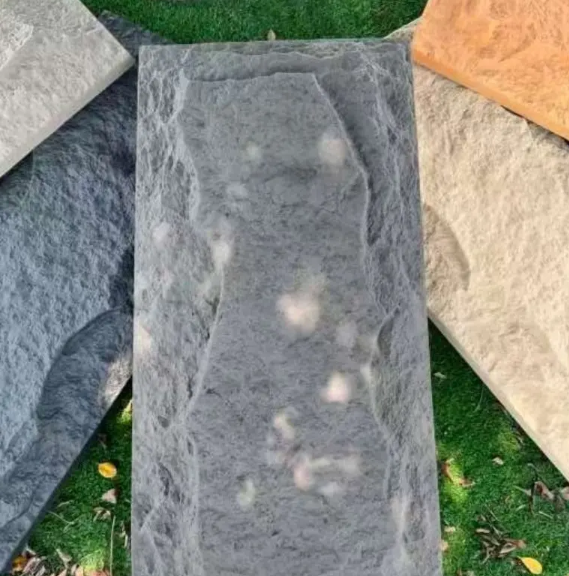
Durability and Environmental Resilience of PU Stone Panels
Water resistance, thermal stability, and moisture performance in high-traffic commercial interiors
PU stone panels work really well in tough commercial settings like retail stores and restaurants because they absorb almost no moisture at all (just 0.05 to 0.1 percent). That's actually 38 times better than regular natural stone when it comes to keeping water out. This property stops problems like mold growing on surfaces, salt deposits forming, and general wear and tear in areas where humidity runs high. The material stays stable across temperatures ranging from minus 40 degrees Celsius right up to 80 degrees Celsius. What does that mean? The panels won't warp or crack even when temperatures swing dramatically, something that happens frequently in buildings with lots of heating and cooling systems running constantly. Lab tests have shown these panels can handle compression forces between 8.7 and 12.4 MPa, making them about 2.5 times stronger than natural stone options. And this strength translates into real savings for building owners too, with maintenance costs dropping around 70 percent over time compared to traditional materials.
UV stability and weather resistance for exterior facades, canopies, and entryways
When used outside on things like building exteriors, awnings, or those fancy front entrances that everyone sees, PU stone panels keep their colors looking fresh for about ten years or so because they're made with special UV resistant polymers. Lab tests show these panels only change color by less than half a percent even after being exposed to UV light equivalent to around 10,000 hours straight. That makes them much better at holding onto their original look compared to regular natural stone which tends to fade somewhat over time. The surface doesn't react with stuff like acid rain, city grime, or road salt either, so there's no need to seal it every now and then. Plus, these panels are pretty tough with impact resistance around 8.7 MPa. All this means buildings will need to replace panels maybe just once in fifteen years instead of doing it all the time. This saves money in the long run while keeping the building looking good as new.
Fire Safety Compliance and Code Readiness for PU Stone in Commercial Buildings
ASTM E84 Class A fire rating and real-world flame spread/smoke development data
PU stone panels meet the top fire safety standard, ASTM E84 Class A, with flame spread numbers typically staying below 25 and smoke development readings under 450. Lab tests show these panels are really good at resisting catching fire, slowing down how flames spread across surfaces, and producing very little toxic smoke when things get hot. That makes them especially important for places where people gather, think hotels, malls, office buildings where quick evacuation might not be possible. If there's actual direct flame contact, the treated material holds together structurally for around half an hour or so, which gives firefighters precious extra time before the fire can spread through building walls compared to regular cladding materials. The reason behind this fire resistance? Special additives mixed into the product during manufacturing that basically mess with the chemical reactions happening when something burns.
IBC, NFPA 285 (for rainscreen assemblies), and jurisdictional acceptance of PU stone systems
Polyurethane stone cladding meets all the requirements set out in IBC Chapter 14 as well as NFPA 285 for non-combustible exterior walls, even those with rainscreen setups. Testing done under UL certification shows how these systems actually contain fires moving upwards through wall cavities and stop them from jumping between different floors. Most places across America, around 8 out of 10 jurisdictions to be exact, have started accepting records of PU stone installation work for buildings classified as Types I through V. This acceptance happens only when manufacturers provide proper certification documents that spell out specific details about their products performance characteristics and compliance history.
- Third-party verified ASTM E84 and NFPA 285 test results
- Compatibility with approved fire barriers and perimeter sealants
- Installation protocols aligned with local code amendments
This regulatory alignment shortens permitting timelines and reduces consultant review cycles by 2–4 weeks—accelerating project delivery without compromising safety.
Retrofit Efficiency and Lifecycle Cost Benefits of PU Stone Panels
Lightweight Installation on Existing Substructures
PU stone panels make retrofitting quick and minimally disruptive since they stick right onto surfaces already there like concrete walls, metal frames, brickwork, and even drywall without needing any extra structural work. These panels weigh around 90 percent less than real stone, so there's no need for expensive foundation reinforcements. Material handling costs drop somewhere between 40 to maybe 60 percent too. The interlocking design combined with strong adhesive backing means installation goes roughly 70 percent quicker, which is super important when working inside places that stay open during renovations such as hospitals or shopping malls where every day lost equals money down the drain. Plus, because less scaffolding is required overall, the whole project becomes safer while cutting down on both labor hours and complicated site management issues.
Reduced Labor Time, Scaffolding Needs, and Disruption—Key Advantages for Occupied Renovations
When it comes to installation, PU stone really saves money on labor costs. Projects using this material need about half to two thirds less work time compared to regular stone work, and they finish around three times quicker. This makes big difference for businesses needing facade updates during short windows like weekend shutdowns. Take one restaurant for example that totally transformed its look in just two days flat. Looking at the bigger picture, these stones have lasting benefits too. They don't need any sealing treatments, hardly ever require cleaning, and last for decades without issues. The manufacturer claims fifty years of service life before replacement is needed. This means no ongoing maintenance expenses down the road. Another perk? Since PU panels go over existing surfaces without tearing anything out first, there's way less debris to deal with after installation. Studies show waste removal costs can actually fall by roughly thirty percent when using this method, which helps keep construction budgets under control while also being better for the environment.
Aesthetic Flexibility and Brand-Centric Design with PU Stone Panels
Customizable textures, colors, and grout profiles for retail, hospitality, and corporate environments
Polyurethane stone panels give designers incredible flexibility when creating branded commercial spaces. The material comes in realistic textures that mimic everything from limestone to marble, all manufactured to maintain consistent look and feel throughout projects. For companies wanting their brand colors exactly right everywhere they operate, these panels can be matched precisely to corporate standards, making sure stores, hotels, and offices around the world look cohesive. The grout options are pretty flexible too - architects can go for smooth wall looks or create interesting patterns depending on what fits the space. One big advantage over real stone is that PU panels look the same whether coming off the production line or installed at different sites. Plus, since they're so light weight, designers can build those fancy curved walls or intricate features without worrying about structural changes to buildings.