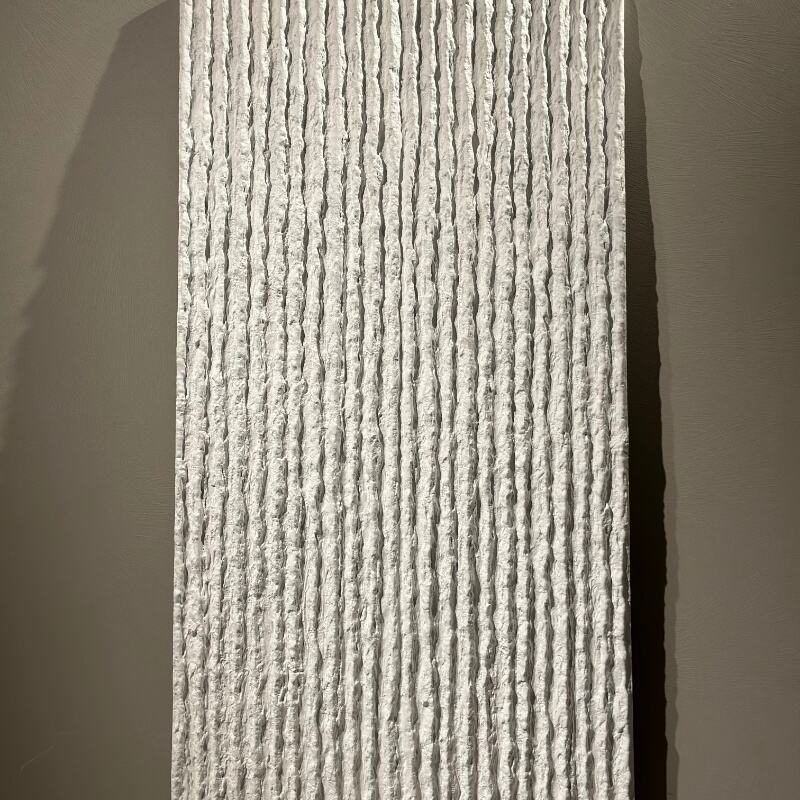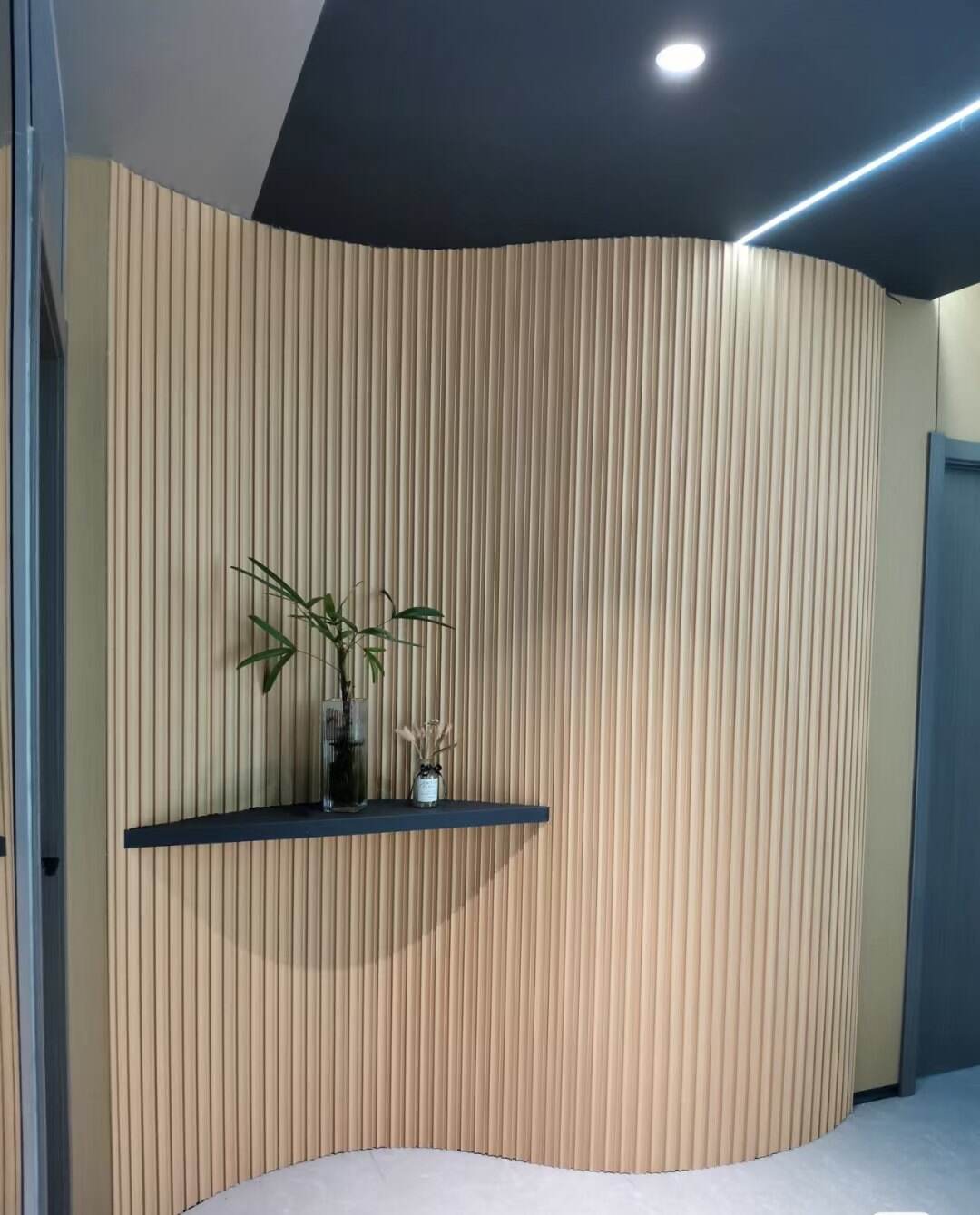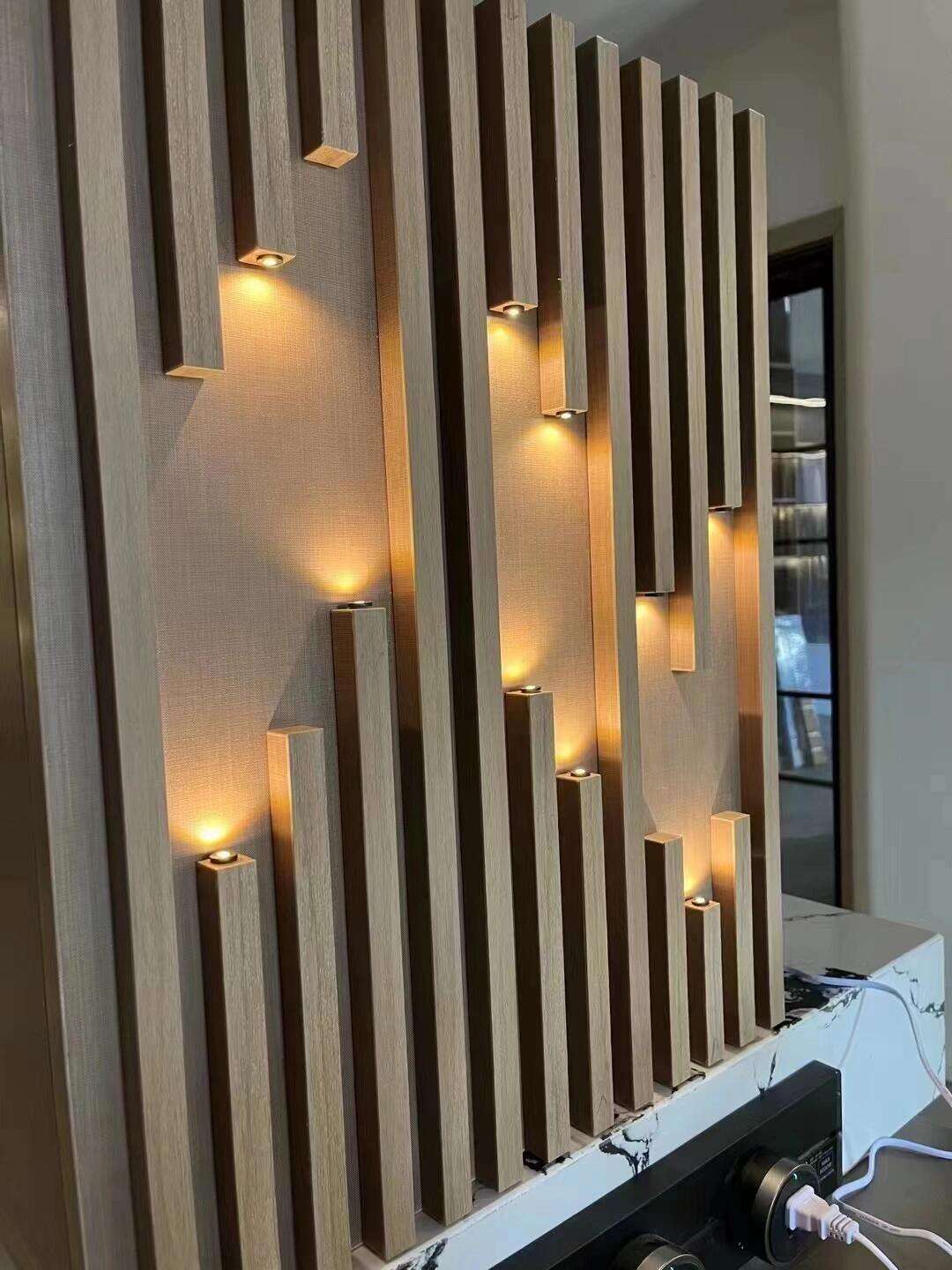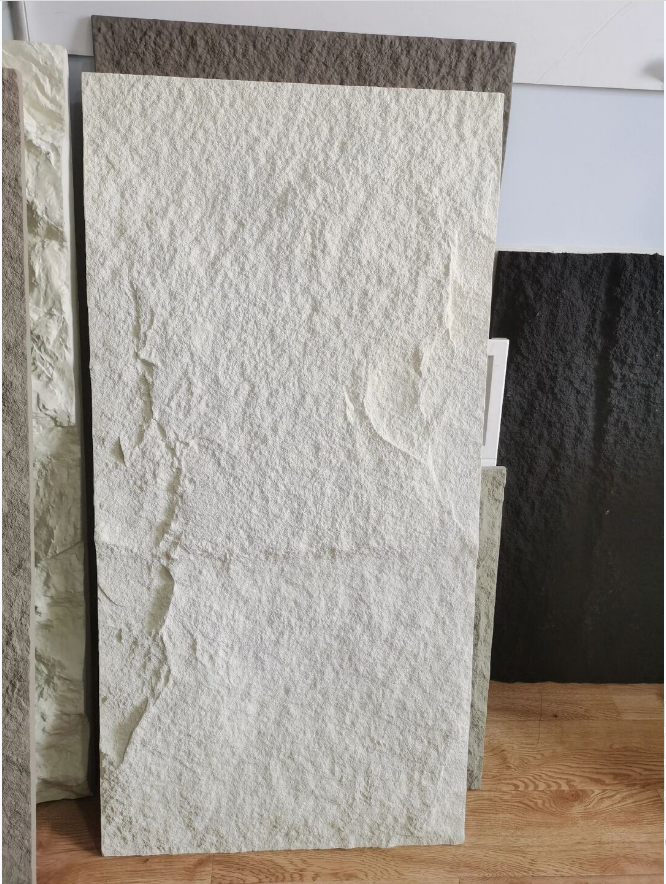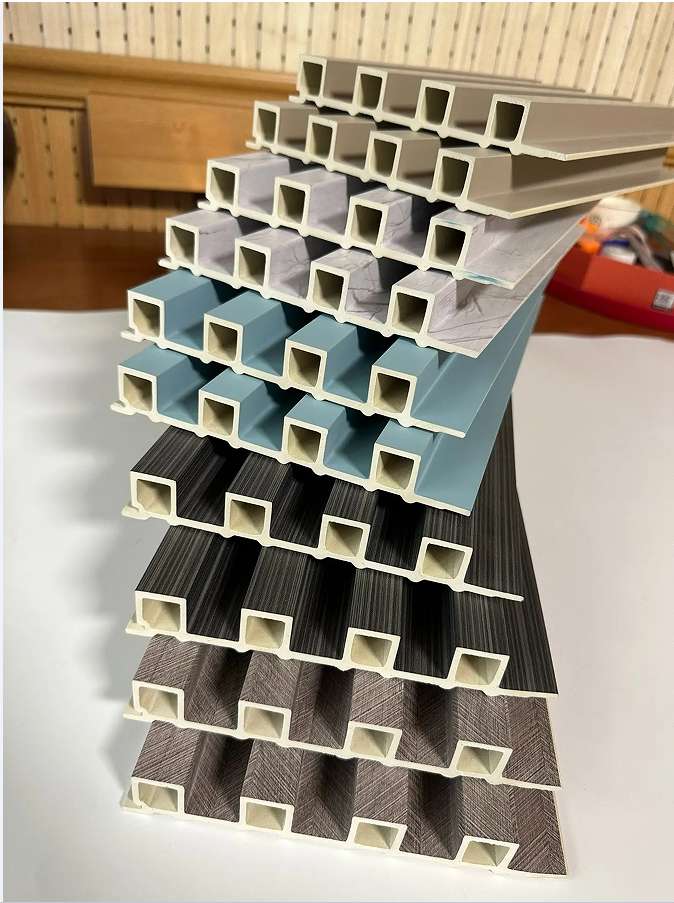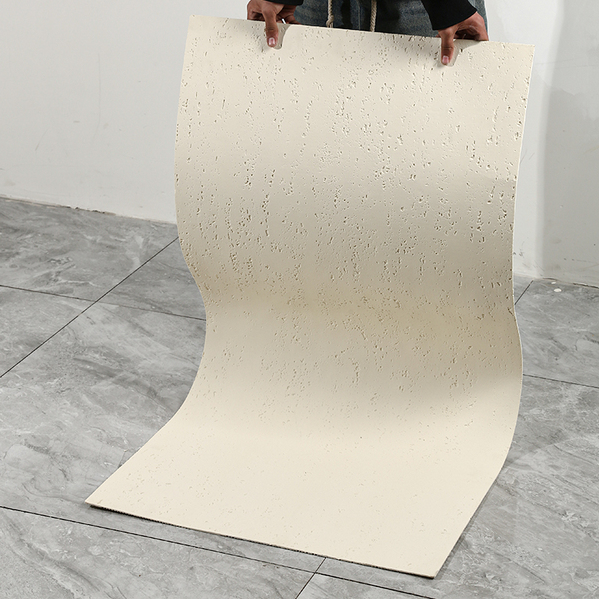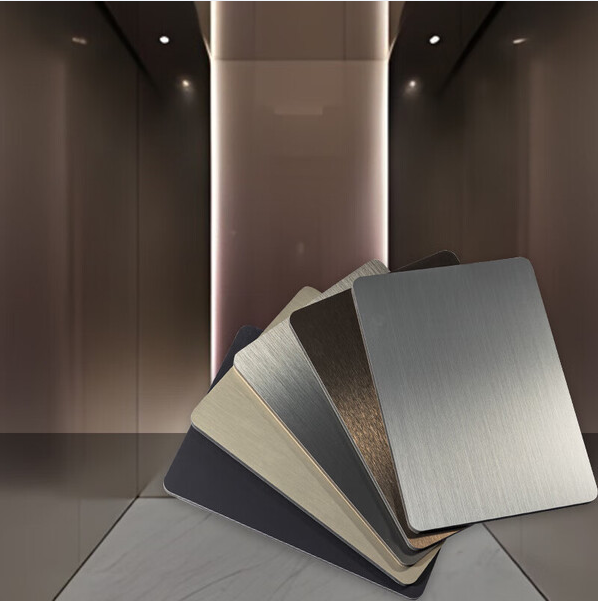
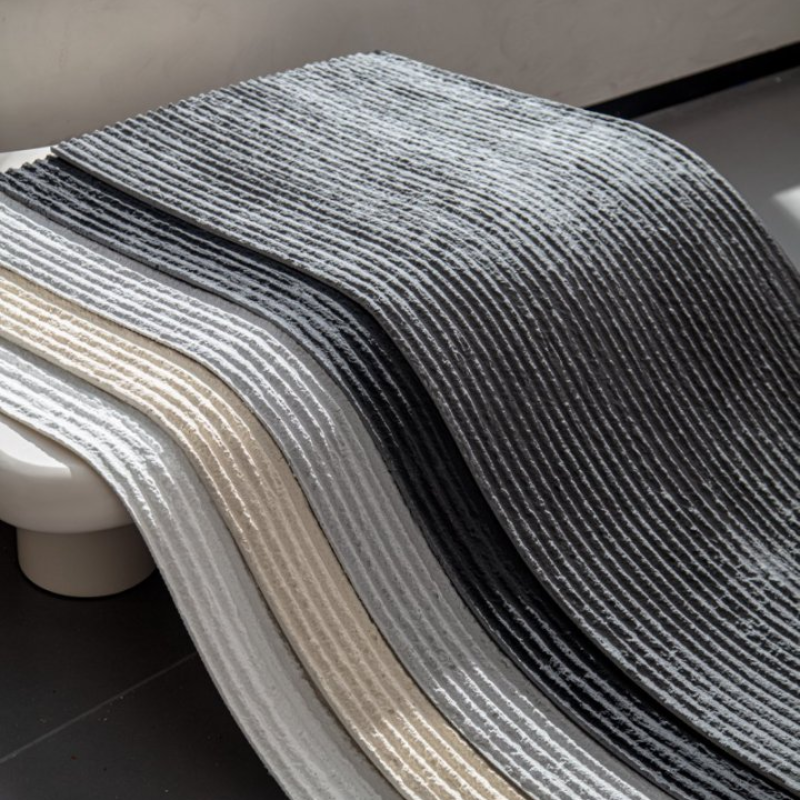
Soft stone for interiors is a distinctive material that combines the natural beauty of stone with a surprisingly tactile, velvety texture, offering a unique sensory experience in interior design. Unlike traditional hard stones such as granite or marble, soft stone—including varieties like travertine, limestone, and sandstone—features a porous, less dense composition that gives it a softer feel and a warmer, more inviting appearance, making it a popular choice for creating cozy, sophisticated indoor spaces. The physical properties of soft stone contribute to its appeal. Its porous structure allows it to absorb and retain heat, creating a comfortable temperature in rooms, which is particularly desirable in living areas or bedrooms. This porosity also gives it a unique texture, with natural variations in surface irregularities, pits, and veins that add character and depth. Each piece of soft stone is one of a kind, ensuring that interior spaces feel authentic and distinctive, avoiding the uniformity of synthetic materials. Versatility in application is another strength of soft stone for interiors. It can be used for a wide range of purposes, including wall cladding, flooring, countertops, fireplace surrounds, and decorative accents. In flooring, its natural slip resistance (when properly sealed) makes it suitable for high traffic areas like hallways or kitchens, while its warm tones—ranging from creamy whites and beiges to rich earthy browns—complement various color schemes, from neutral minimalist to bohemian or rustic. For wall cladding, soft stone adds texture and dimension, creating focal points in living rooms or entryways. However, the porous nature of soft stone also means it requires proper care and maintenance. It is more susceptible to staining from liquids like wine, oil, or coffee, so it is often sealed with a protective coating to enhance its resistance to moisture and stains. Regular cleaning with mild, pH neutral cleaners is recommended to preserve its appearance, avoiding harsh chemicals that can damage the stone. With proper maintenance, soft stone can retain its beauty for decades, developing a subtle patina over time that adds to its charm. In terms of sustainability, soft stone is a natural material, often quarried from local sources, reducing the carbon footprint associated with transportation. Its durability and longevity also mean it does not need frequent replacement, contributing to eco friendly design practices. For designers and homeowners seeking to create interior spaces that balance natural beauty, tactile comfort, and timeless elegance, soft stone offers a versatile and appealing option, bringing a touch of nature indoors while enhancing the overall ambiance of the space.
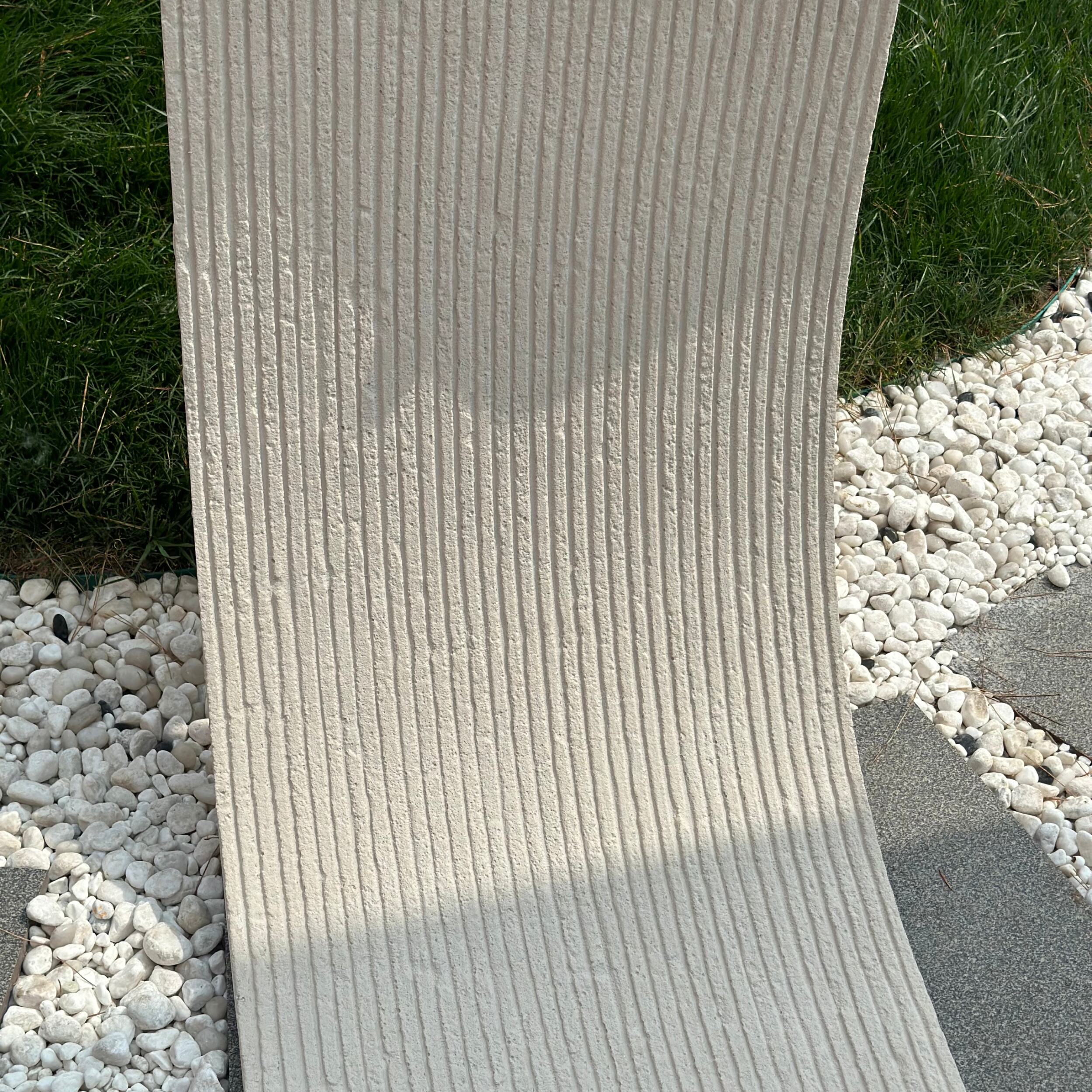

Shandong Falading specializes in PU stone, soft stone, and wood veneer production with 20 years of experience. Offering fast delivery, customization, and eco-friendly building materials for global clients.
No. 5267, Dachenghou Village, Lanshan Street, Lanshan District, Linyi City, Shandong Province,China
Copyright © 2025 by Shandong Falading New Decoration Material Co., Ltd. | Privacy policy